Football Performance • SE London

Strength & Conditioning for Footballers.

A practical guide to developing strength, speed, power and match fitness through structured weekly planning — not random gym sessions.

Match-Week Structure Speed & Power Performance Resilience Coaching-Led Planning
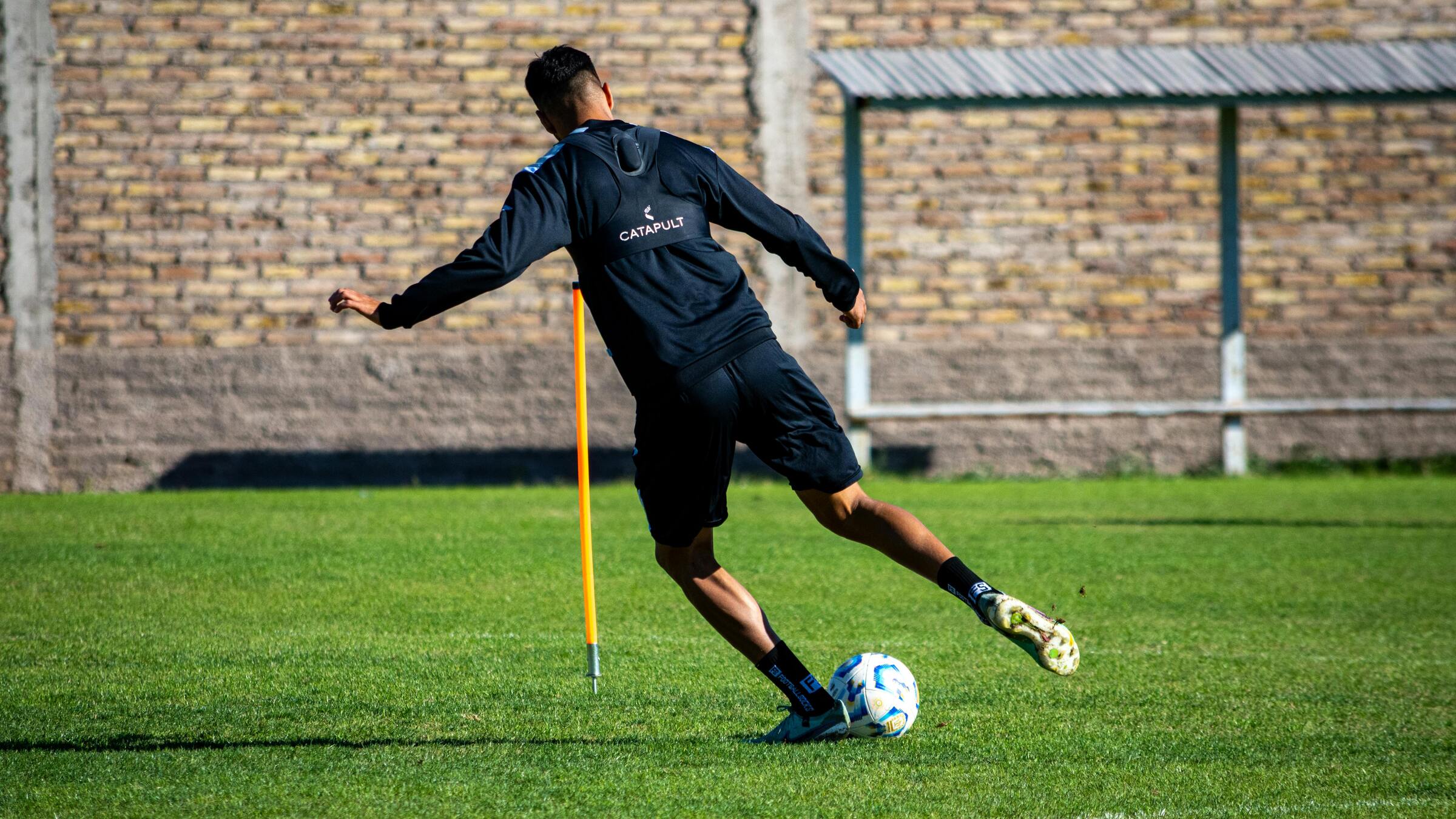
Football player performing a dynamic match action on the pitch
Built for match performance. Strength • Speed • Power • Conditioning
Strength

Build the force base needed for athletic performance.

Acceleration

Improve first-step speed and explosive actions.

Conditioning

Support repeated high-quality efforts across the game.

Resilience

Prepare the body to tolerate sporting demands.

Why It Matters

Football skill needs a body prepared to perform.

Footballers already spend time developing technical ability and match fitness. Structured strength and conditioning supports the physical qualities behind those skills: producing force, accelerating, changing direction, repeating efforts and managing the demands of training and competition.

Enhanced Performance

Football demands repeated high-intensity actions. Well-planned training develops strength, movement control and physical qualities that support performance on the pitch.

Acceleration & Power

Sprint and power work can help players express force more quickly, supporting stronger first steps, sharper accelerations and explosive match actions.

Repeat-Effort Capacity

Football requires quality efforts repeatedly across the game. Conditioning should support the ability to work, recover and perform again.

Physical Resilience

Progressive loading develops strength and load tolerance in muscles and connective tissues, helping players prepare for the demands of training and match play.

Important coaching point

Strength and conditioning should complement football training and match demands. Weekly load, playing position, training age and recovery all matter when building the right programme.

Programme Structure

How football performance training is built.

A football Strength & Conditioning programme should not be random gym work. It should develop the physical qualities needed for the game while fitting around the player's level, position, football schedule and ability to recover.

Strength Development

Lower-body and posterior-chain strength help build the force base needed for sprinting, deceleration, duels and repeated football actions.

Speed & Acceleration

Sprint mechanics, acceleration exposure and change-of-direction work support quicker first steps and more explosive match actions.

Power & Plyometrics

Jumping, landing and explosive exercises help footballers express force quickly and control demanding high-speed movements.

Conditioning & Recovery

Conditioning and weekly load management support repeated effort capacity while keeping the player prepared for training and fixtures.

Individual programming matters.

I structure football-focused programmes around the player's experience, position, match demands, training history and relevant injury considerations — not a one-size-fits-all workout.

Example One-Match Week

Football Match Week Structure.

Training should prepare a player to perform, not simply create fatigue. A structured week places strength, speed, power and recovery sessions around the demands of match day.

Strength Speed Power Recovery
Aerial view of a football pitch representing football match week preparation
Prepare. Perform. Recover. One-match weekly training example

Weekly Timeline

Planning around match day

Example structure

MD-4

Strength
  • Lower-body strength emphasis
  • Posterior-chain development
  • Controlled weekly volume

MD-3

Speed
  • Acceleration exposure
  • Short sprint work
  • Technical field training

MD-2

Power
  • Explosive or reactive work
  • Low volume, high intent
  • Mobility integration

MD-1

Activate
  • Light activation session
  • Neuromuscular priming
  • Readiness focus

Match Day

Perform
  • Competition execution
  • Warm-up and readiness
  • Fuelling and hydration

MD+1

Recover
  • Recovery emphasis
  • Low-intensity movement
  • Mobility where appropriate

Example only. The actual training week should change according to match minutes, fixture congestion, playing position, training age, current fitness and relevant injury considerations.

Who It Is For

Who This Coaching Is Designed For.

Performance-focused coaching for footballers and developing athletes who want structured physical preparation, measurable progression and training that supports the demands of their sport.

Football Players

Competitive Footballers

Academy, semi-professional and ambitious grassroots players who want structured physical development alongside their football training.

Strength Speed Match Fitness
Progressive Return

Players Returning to Performance

Footballers who have completed appropriate rehabilitation or received suitable clearance and now need progressive strength and conditioning support as they rebuild performance capacity.

Load Management Progression
Athletic Development

Committed Developing Athletes

Athletes seeking to improve strength, speed, power and conditioning through planned progression rather than random gym workouts.

Power Consistency Development
Performance-focused coaching

This coaching is designed for football and athletic development rather than casual or aesthetic-focused gym training. Where pain, injury or medical concerns are present, appropriate healthcare advice or clearance may be needed before performance training begins.

South East London • Football Performance

Ready to take your football performance further?

Apply for structured Strength & Conditioning coaching built around your position, football schedule, physical development goals and ability to recover. Start with a consultation to discuss the right next step for your game.

Match Demands Strength & Speed Progressive Planning
```