Training Frequency • Coach Guidance

How Many Times a Week Should You Train?

The right answer depends on your experience, goal, recovery and weekly routine. More sessions are not automatically better — the best training frequency is the one that helps you progress and recover consistently.

Structure beats doing more for the sake of it.

A training week only works when the sessions, recovery and your lifestyle fit together.

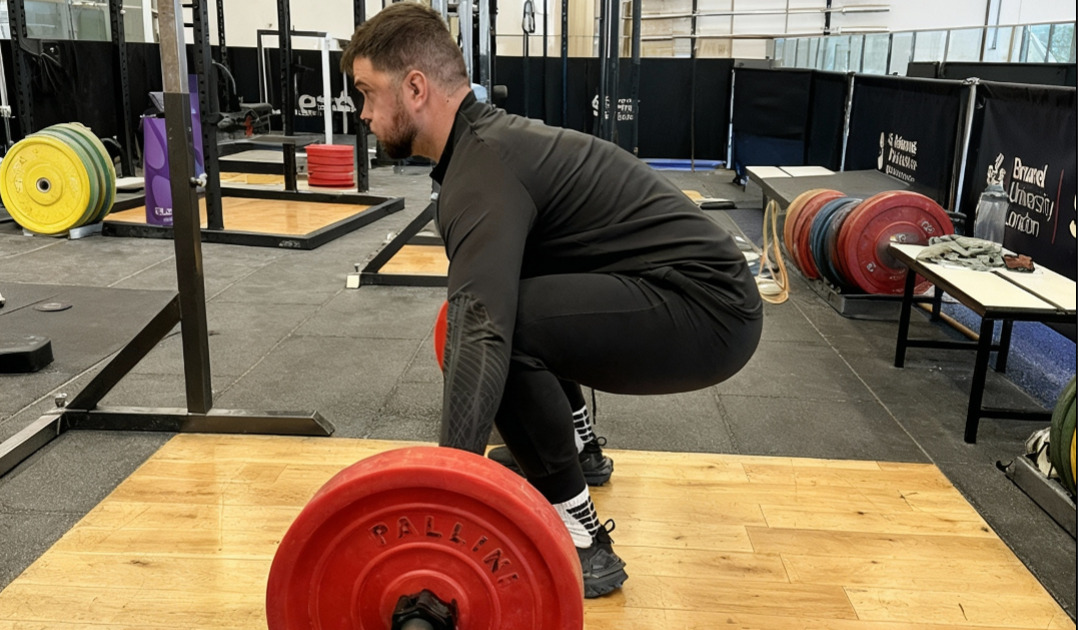
Gerald Latifi performing a barbell deadlift in a strength training facility
Train with purpose. Strength • Recovery • Long-term progression
Frequency

How many training sessions you complete each week.

Progression

Training should gradually develop rather than repeat randomly.

Recovery

Sleep, rest and nutrition influence how much work you handle.

Experience

Beginners and advanced trainees rarely need the same schedule.

Experience Guide

Choose a frequency you can recover from.

Your training frequency should give you enough practice and stimulus to improve, without creating more fatigue than your body and lifestyle can manage.

01
0–6 Months Beginners
2–3 sessions
per week

The priority at the beginning is learning basic movements, improving confidence and creating a routine you can actually maintain. You do not need to train every day to make progress.

Best Focus

Technique, full-body strength, consistency and enough recovery between sessions.

03
18+ Months Advanced
4–6 sessions
per week

Experienced trainees may benefit from greater training frequency, but only when their programme manages fatigue well. More sessions do not mean every day should be heavy or high intensity.

Best Focus

Specific goals, intelligent training loads, planned recovery and careful monitoring of performance.

Your Goal Matters

Training frequency depends on what you are training for.

Experience is only part of the answer. Two people with the same gym background may need different training weeks because their goals, sport demands and recovery opportunities are different.

General Fitness & Fat Loss

Two to four structured sessions can work very well when supported by daily activity, sensible nutrition habits and a routine you can sustain.

Strength & Muscle Development

Three to five weekly sessions may be appropriate depending on training age, exercise selection, weekly volume and your ability to recover between sessions.

Football Performance & Sport

Gym sessions must fit around pitch sessions, matches, sprint exposure and recovery. More gym work is not automatically better for an athlete.

Recovery Check

Signs your training frequency may be too high.

A demanding week is normal sometimes. But if several of these signs continue, adding more training sessions is usually not the solution.

  • Your performance is repeatedly dropping.
  • Muscle soreness lasts into most of the week.
  • Your sleep, motivation or energy feels noticeably worse.
  • You are carrying persistent aches or joint discomfort.
  • You keep missing sessions because the plan is unrealistic.

Simple Example

A balanced 3-session week.

For many general fitness clients, three structured sessions gives enough training quality while leaving time for recovery and everyday life.

Monday Full-body strength session
Tuesday Recovery, walking or mobility
Wednesday Strength and conditioning session
Thursday Recovery or light activity
Friday Full-body progression session
Weekend Rest, sport or enjoyable activity

Coach Recommendation

For most people, 3–4 structured sessions is a strong place to start.

This is often enough to build strength, improve fitness and create consistency while still allowing recovery. The best plan is not the one with the most sessions — it is the one that suits your goal and keeps you progressing.

```